










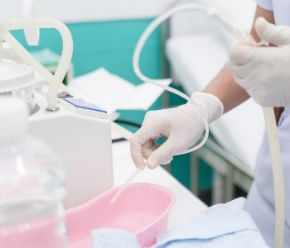










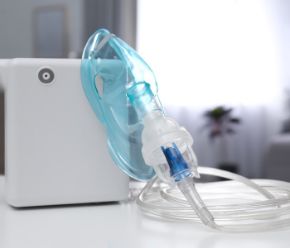

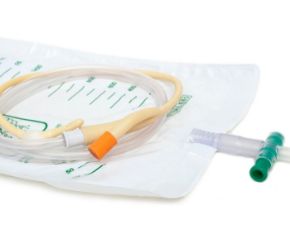

If you buy medical supplies, you probably know that ethylene oxide (EtO) plays a major role in sterilization. Many sterile medical devices in the U.S., including procedure trays, catheters, tubing sets, and other heat-sensitive products, rely on EtO because it can sterilize complex products without damaging plastic components.
Things are changing. The EPA recently updated emissions requirements for commercial sterilization facilities, and manufacturers and sterilization providers are adjusting operations in response. For procurement teams, this may create added lead-time and sourcing pressure for certain sterile products.
When sterilization capacity is reduced during equipment upgrades or operational changes, lead times can extend across the supply chain. Facilities that rely on sterile disposables should review sourcing plans, alternate products, and inventory levels early.
What You Need to Know Right Now
Longer Lead Times for Certain Sterile Products
As facilities upgrade or adjust operations, some sterile kits and other affected products may experience longer lead times.
The Need for Backup Options
Some manufacturers may transition products to different sterilization methods, such as radiation. It is worth reviewing acceptable alternates with clinical stakeholders before supply pressure increases.
Review Buffer Stock Levels
For critical sterile items, a strict just-in-time model may create added risk. Reviewing safety stock levels for high-priority products can help reduce disruption if lead times extend or order limits are introduced.
The Real Impact on Your Operations
Facility upgrades are intended to support environmental compliance and worker safety, but they can also affect how long it takes a product to move from sterilization through distribution. When sterilization capacity tightens, delays can ripple through the broader supply network.
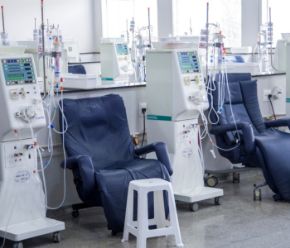
For dialysis providers, correctional facilities, hospitals, and other institutional buyers, the main concern is not necessarily a full product disappearance. More often, the operational challenge is reduced availability, extended lead times, or allocation on key sterile items. That can make expansion, census growth, and day-to-day replenishment more difficult to manage.
A Quick Tip: Federal agencies may monitor supply pressures, but that does not guarantee product availability at the facility level. Early planning, alternate approvals, and strong distributor communication remain important.
Items to Watch Closely
Not all supplies are affected the same way. EtO is commonly used for products that cannot tolerate high-heat steam and may not be ideal for other sterilization methods without additional validation. Buyers should closely monitor categories such as:
- Catheters and Tubing: Including central venous catheters, tubing sets, and other sterile, heat-sensitive disposables.
- Custom Procedure Trays: Procedure packs, insertion trays, and other kits that bundle multiple sterile components.
- Advanced Wound Care Products: Certain sterile, single-use dressings or packaged wound care items.
How to Protect Your Supply
Navigating this shift requires a practical inventory and sourcing strategy. These three steps can help reduce exposure:
1. Audit Your Most Critical Items
Identify the sterile products that drive the majority of daily use or patient-facing risk. Track those items closely and ask suppliers about lead-time changes early.
2. Pre-Review Alternate Products
Ask suppliers whether key items may shift sterilization methods or require alternate SKUs. Review acceptable substitutions internally before they become urgent.
3. Review Vendor and Contract Coverage
Understand how your current supplier handles shortages, allocations, and alternate sourcing. Clarifying those terms ahead of time can reduce disruption later.
Medical sterilization requirements are evolving, and the downstream effects may continue as facilities adjust operations and manufacturers validate alternate methods. For procurement teams, the priority is straightforward: stay close to key suppliers, monitor critical sterile categories, and plan ahead where possible.
Review Your Sterile Supply Exposure
Essential Cares Supplies, Inc. can help review critical sterile categories, identify practical backup options, and support continuity planning for affected items.
Speak with a Sourcing SpecialistCommon Questions from Procurement Teams
What exactly is EtO and why is it used?
Ethylene oxide (EtO) is a sterilizing gas used for many heat- and moisture-sensitive medical products. It is widely used because it can sterilize complex products inside sealed packaging without the high temperatures associated with steam sterilization.
How long will these delays last?
That will vary by manufacturer, product category, and sterilization partner. Because upgrades and compliance changes may occur over time, buyers should treat this as a planning issue to monitor rather than a one-time disruption.
Will prices go up for sterile items?
Pricing pressure is possible as manufacturers and sterilization providers adjust operations or validate alternate methods. Reviewing contract coverage and alternate sourcing options early may help reduce exposure.
Is it safe to switch to alternative products?
Potential alternatives should be reviewed through the normal clinical and operational approval process. Product equivalency, sterilization method, packaging, shelf life, and end-user requirements should all be evaluated before substitution.
 213-743-1401