






























For healthcare procurement managers, dialysis clinic administrators, and hospital supply chain teams, nitrile examination gloves are one of the most frequently purchased clinical consumables. Despite being treated as a routine purchase, glove selection plays a critical role in infection control, staff safety, and regulatory compliance.
ASTM D6319 is the primary standard used to define the physical and performance requirements for nitrile examination gloves used in medical environments. For procurement teams responsible for evaluating suppliers and maintaining reliable inventory, understanding this standard helps ensure that gloves entering the facility provide consistent barrier protection and meet regulatory expectations.
This guide explains what ASTM D6319 requires, how procurement teams can verify compliance, and what operational factors should be considered when sourcing nitrile examination gloves.
Why ASTM D6319 Matters in Healthcare Procurement
ASTM D6319 establishes the baseline performance requirements for nitrile examination gloves intended for medical use. The standard defines testing methods and minimum specifications for strength, elasticity, and dimensional consistency.
From a procurement perspective, ASTM D6319 helps distinguish medical-grade nitrile gloves from products that may appear similar but do not meet the same quality requirements.
Gloves that comply with ASTM D6319 have undergone testing to confirm that they maintain sufficient strength and flexibility during clinical use. These requirements are particularly important in environments where exposure to bloodborne pathogens or contaminated fluids is possible.
What ASTM D6319 Means for Nitrile Examination Gloves
Nitrile examination gloves are manufactured from nitrile butadiene rubber (NBR), a synthetic material designed to provide chemical resistance, durability, and elasticity.
ASTM D6319 specifies minimum performance levels that gloves must meet before they can be marketed for medical use.
- Mechanical strength
- Elasticity and flexibility
- Dimensional requirements
- Powder residue limits
- Barrier integrity testing
These criteria ensure that the glove performs as a reliable protective barrier during routine medical procedures.
Key Glove Specifications Procurement Teams Should Verify
When reviewing technical data sheets or evaluating product samples, procurement teams should confirm that several core ASTM D6319 specifications are documented.
Tensile Strength
ASTM D6319 requires nitrile examination gloves to demonstrate a minimum tensile strength of 14 MPa both before and after accelerated aging.
Ultimate Elongation
Ultimate elongation measures how far a glove can stretch before breaking.
- Minimum elongation before aging: 500%
- Minimum elongation after aging: 400%
High elongation values allow gloves to stretch during donning without tearing.

Thickness and Dimensions
The standard defines minimum thickness and dimensional tolerances to ensure gloves provide consistent barrier protection.
While the minimum thickness allowed under the standard is relatively thin, many healthcare environments prefer nitrile gloves in the 3 mil to 5 mil range to improve durability during routine patient care tasks.
Acceptable Quality Level (AQL)
AQL is a statistical measurement of manufacturing quality that indicates the maximum allowable number of defects in a batch.
For medical examination gloves, AQL must be 2.5 or lower.
A lower AQL indicates tighter manufacturing controls and a reduced probability of pinholes or defects that could compromise barrier protection.
Procurement Considerations for Healthcare Facilities
Healthcare supply chain teams must evaluate gloves not only by specification but also by operational performance and inventory management considerations.
Standardization
Reducing the number of glove types used across departments can simplify ordering and improve purchasing leverage with suppliers.
Usage Monitoring
Regularly reviewing departmental glove usage helps identify purchasing trends and potential inefficiencies.
Storage Conditions
Recommended storage conditions include:
- Cool, dry environments
- Protection from direct sunlight
- Limited exposure to ozone or heat sources
How to Evaluate Nitrile Glove Suppliers
Supplier evaluation should include both product verification and operational reliability.
Procurement Checklist for Supplier Evaluation
- FDA 510(k) clearance for the specific glove product
- Independent laboratory test reports confirming ASTM D6319 compliance
- Documented AQL performance levels
- Lot-level traceability and product labeling
- Reliable lead times and consistent supply history
Common Mistakes Buyers Make When Sourcing Nitrile Gloves
Confusing Industrial and Medical Gloves
Industrial nitrile gloves often look identical to medical exam gloves but do not meet FDA medical device requirements or ASTM D6319 performance specifications.
Selecting Based on Price Alone
The lowest price per glove does not always represent the lowest operational cost.
Ignoring Inventory Age
Older gloves may lose elasticity and become more prone to tearing during donning.
Overlooking Hazardous Drug Requirements
Facilities handling chemotherapy drugs or other hazardous substances must ensure gloves meet the appropriate permeation standards.
Dialysis Clinic and High-Use Setting Considerations
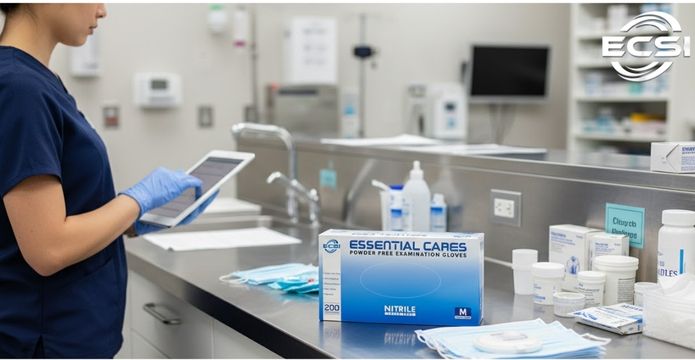
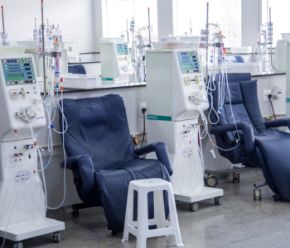
Dialysis clinics and high-acuity hospital departments typically experience the highest glove usage rates in healthcare environments.
Procurement teams serving these environments should consider:
- Consistent AQL performance
- Reliable donning characteristics
- Comfortable fit to reduce hand fatigue
- Durable nitrile formulations that resist tearing
Maintaining a reliable glove supply is essential in dialysis environments where procedures run continuously throughout the day.
Conclusion
ASTM D6319 serves as the foundation for evaluating nitrile examination gloves used in healthcare environments. For procurement teams, verifying compliance with this standard helps ensure that gloves provide the durability, flexibility, and barrier protection required for clinical use.
By focusing on documented specifications, supplier transparency, and proper storage practices, healthcare organizations can maintain glove inventories that support both staff safety and operational efficiency.
When evaluating suppliers, procurement teams should prioritize partners that provide consistent quality documentation, reliable supply continuity, and clear product traceability.
Source ASTM D6319 Compliant Gloves
Ensure your facility is equipped with high-performance barrier protection. Explore our selection of medical-grade nitrile gloves designed for clinical excellence.
Shop All Nitrile Gloves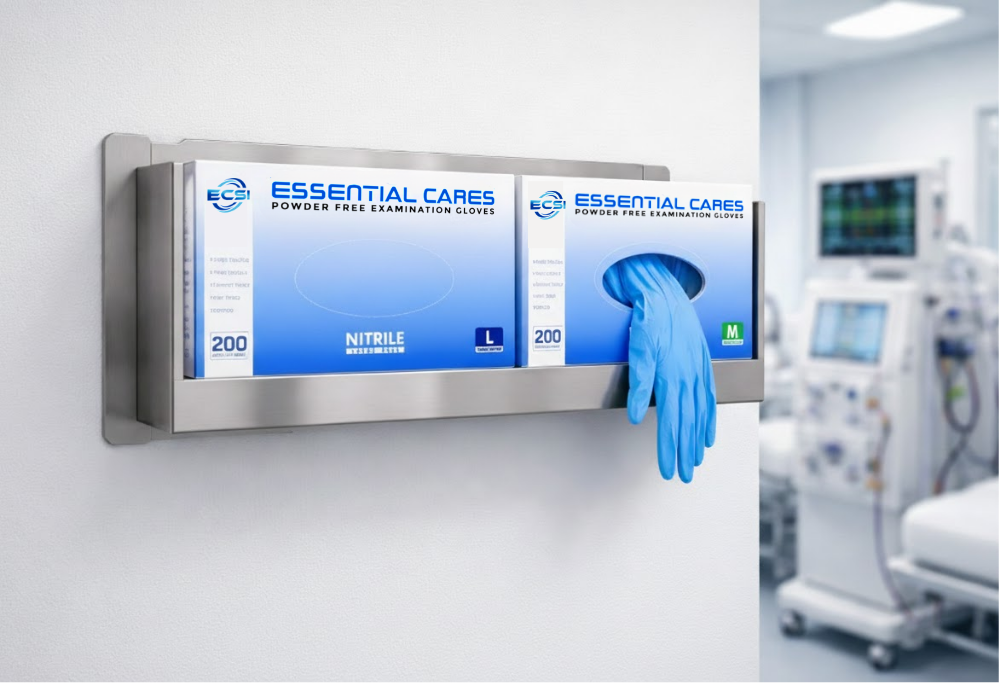
FAQ
What is ASTM D6319?
ASTM D6319 is the standard specification for nitrile examination gloves used in medical environments. It defines the minimum performance requirements for strength, elasticity, and barrier protection.
Why is AQL important for medical gloves?
AQL measures the allowable defect rate within a manufacturing batch. For medical examination gloves, an AQL of 2.5 or lower helps reduce the likelihood of pinholes that could compromise barrier protection.
Do all nitrile gloves meet ASTM D6319?
No. Some nitrile gloves are manufactured for industrial use and do not meet the requirements for medical examination gloves. Procurement teams should verify documentation confirming ASTM D6319 compliance.
How long can nitrile gloves be stored?
Most nitrile gloves have a shelf life of 3 to 5 years when stored in appropriate conditions away from heat, light, and ozone.
Can hospitals use one glove type for all departments?
Some facilities standardize glove types, but many use different gloves depending on the level of protection required for specific clinical tasks.
 213-743-1401